Vorwort zu dem Libellus de ritu et moribus Turcorum (Büchlein über den Ritus und die Sitten der Türken, 1530) Martin … Mehr

„Darum gleicht jeder Schriftgelehrte, der ein Jünger des Himmelreichs geworden ist, einem Hausvater, der aus seinem Schatz Neues und Altes hervorholt.“ (Matthäus 13,52)
Vorwort zu dem Libellus de ritu et moribus Turcorum (Büchlein über den Ritus und die Sitten der Türken, 1530) Martin … Mehr
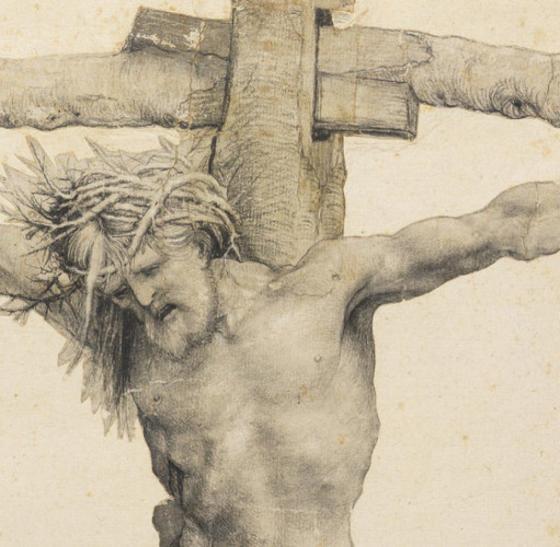
The Lutheran „Crossing Community“ published the translation of my article „Man höre doch mal dem Heiland zu“ (which originally appeared … Mehr
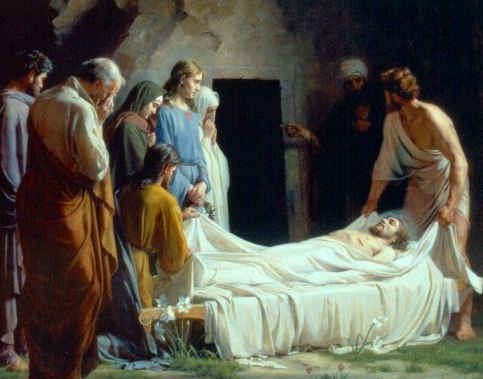
Was die Grablegung Jesu uns über Sargpflicht sagt „In Bayern gibt es eine gewachsene Bestattungskultur – dazu gehört die christliche … Mehr
Ursprünglich veröffentlicht auf NAMENSgedächtnis:
In der Roggenburger Klosterkirche hat Waldemar Kolmsperger (München) 1901 den Zyklus der Deckenfresken neu gemalt. Zentral…

Unsere Bundeskanzlerin Angela Merkel ruft im FAZ-Interview die Christen in Deutschland zur „Stärkung der eigenen Identität“ dazu auf, „noch mehr … Mehr

In der Roggenburger Klosterkirche hat Waldemar Kolmsperger der Ältere 1901 den Zyklus der Deckenfresken neu gemalt. Zentral im Kirchenschiff ist … Mehr
Wer meinen F.A.Z.-Text „Man höre doch mal dem Heiland zu“ bei Qantara.de auf Arabisch lesen will, hier der Link.
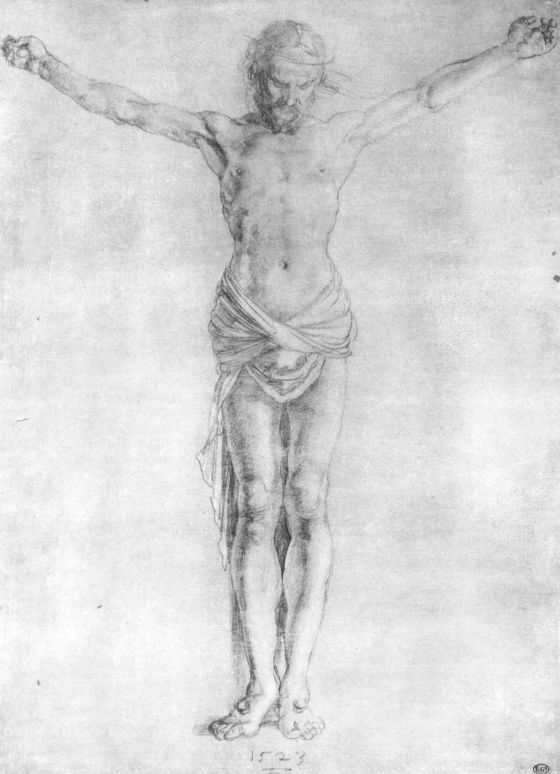
Schon einmal etwas von Qantara.de gehört? Nachdem dort mein F.A.Z-Artikel „Man höre doch mal dem Heiland zu“ sowohl im Original … Mehr

Hier der Wortlaut von Sarrazins Leserbrief bezüglich meines Beitrages in der F.A.Z: Man höre doch mal dem Heiland zu. Kein … Mehr

